
Buying a car is often one of the largest purchases many Australians make in their lifetime. Whether you are purchasing a new or used vehicle, understanding how to leverage your buying power can save you thousands of dollars. Many buyers underestimate the value of research, negotiation, and financing strategies when aiming for the best car deals.
Buying power is not just about how much money you have; it’s about using information, timing, and financing options to maximize your position. With the right approach, you can negotiate better deals, secure favorable interest rates, and reduce the total cost of owning a vehicle.
What is the 20 3 8 rule?
The 20/3/8 rule for car buying means: put 20% down, finance for no more than 3 years, and keep total monthly car costs under 8% of your income.
What’s the best way to get a good deal on a car?
Research prices, compare dealerships, negotiate effectively, and consider financing or buying at the end of the month when sales targets are due.
How to get the best car finance deal?
Check multiple lenders, improve your credit score, choose a reasonable loan term, and aim for a low interest rate with minimal fees.
What is a red flag in a dealership?
Red flags include pressured sales tactics, unclear fees, lack of vehicle history, or reluctance to provide financing options.
1. Understand Your Budget and Financial Position
The first step in leveraging buying power is to clearly understand your financial situation. This includes your income, existing debts, and disposable funds. By calculating what you can afford, you set realistic expectations and avoid overstretching your finances.
Knowing your budget also gives you leverage during negotiations. Sellers are more likely to offer discounts when they see that you are a prepared and serious buyer. Using tools like acar repayment calculator can help you model repayments and assess how different interest rates or loan terms impact your monthly budget.
2. Research Market Prices
Knowledge is power when it comes to buying a car. Before visiting dealerships, research the current market prices for the vehicle models you are interested in. This includes:
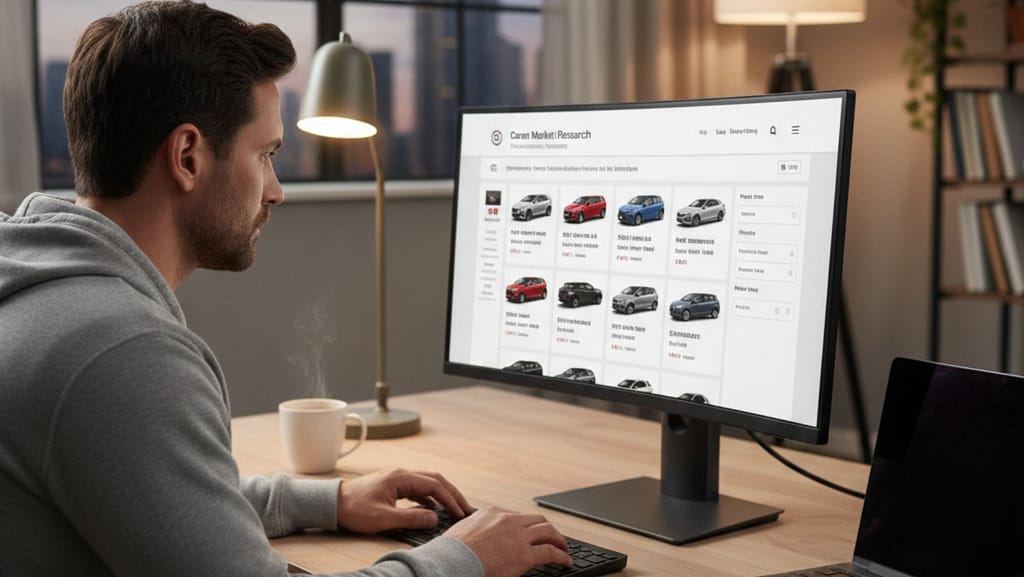
- Dealer prices for new vehicles
- Private sale prices for used vehicles
- Any ongoing promotions, manufacturer incentives, or trade-in offers
Understanding the market value of the vehicle ensures that you can identify a genuine deal and prevents overpaying. Many buyers fail to research and end up paying significantly more than necessary.
3. Consider Financing Options
Your financing approach can significantly affect your buying power. Having access to competitive car finance options gives you flexibility and strengthens your negotiating position.
Securingcar loan pre approval allows you to approach dealerships as a serious buyer, often leading to better deals. Pre-approved finance shows that you are ready to purchase, and it provides clarity on the interest rates, repayment terms, and loan amounts available.
It is also worth comparing multiple lenders to ensure you get competitive rates and conditions. Refinancing options, such as anauto car refinance, can also improve your buying power if you plan to trade in your current vehicle or adjust repayment terms.
4. Leverage Trade-Ins and Deposits
If you already own a vehicle, using it as a trade-in can enhance your buying power. A vehicle trade-in reduces the amount you need to finance and can make your offer more appealing to sellers.
Additionally, providing a significant deposit upfront increases your leverage. Dealers and lenders view buyers with larger deposits as lower risk, which can result in lower interest rates, better loan conditions, and potential discounts on the vehicle price.
5. Timing Your Purchase Strategically
Car dealers often adjust prices based on demand, inventory levels, and sales targets. Timing your purchase strategically can increase your buying power.
Consider:
- End-of-month or end-of-quarter purchases, when dealers are trying to meet sales targets
- Seasonal promotions or clearance events for new or previous-year models
- Times when interest rates are favorable in the market
Being patient and strategic can result in better pricing and financing options.
6. Negotiate With Confidence
Negotiation is a critical element of leveraging buying power. A well-prepared buyer who knows market values, has pre-approved finance, and understands loan options is in a strong position to negotiate.
Key negotiation strategies include:
- Starting with a lower offer than your maximum budget
- Being willing to walk away if terms are unfavorable
- Considering incentives such as extended warranties, service packages, or trade-in credits
Dealers often expect negotiation, and informed buyers frequently secure significant savings.
7. Evaluate Additional Costs
While price negotiation is important, don’t overlook additional costs that affect the overall deal. These may include:
- Dealer fees or administration charges
- Stamp duty or registration costs
- Insurance requirements or loan establishment fees
Understanding these costs upfront ensures that the deal you are negotiating is genuinely beneficial and not offset by hidden expenses.
8. Use Buying Power for Used and New Vehicles
Buying power applies to both new and used vehicles. For new cars, it can help you secure manufacturer incentives, fleet discounts, or dealer specials. For used cars, it allows you to negotiate based on market research and vehicle condition.

Even for specialty vehicles such as luxury vehicles or electric cars, leveraging pre-approved finance, trade-ins, and research can result in better deals than simply accepting the listed price.
9. The Role of Credit and Financing History
A strong credit profile enhances your buying power. Lenders consider your credit score, history of repayments, and current debts when determining loan conditions.
If your credit has improved since your last car loan, you may qualify for lower interest rates and more favorable terms. Even borrowers with less-than-perfect credit can benefit from specialist loan options such aslow doc car loans, which accommodate unique financial situations while still offering competitive financing.
10. Partner With Experienced Advisors
Working with experienced finance brokers or consultants can maximize your buying power. They can:
- Advise on the most competitive lenders
- Help you secure pre-approved loans or refinancing options
- Assist in evaluating dealer offers and negotiating terms
Expert guidance ensures that you use your buying power effectively, avoid pitfalls, and get the best possible deal on your vehicle purchase.

Conclusion
Leveraging buying power when purchasing a car is about more than the price tag. It involves research, pre-approved finance, trade-ins, strategic timing, and negotiation. By understanding your financial position, using tools such as a car repayment calculator, obtaining car loan pre approval, and exploring auto car refinance options, you can strengthen your negotiating position and secure the best possible car deals.
Alpha390 Finance specializes in helping Australians maximize their buying power and navigate the complexities of vehicle finance. With the right preparation, research, and expert guidance, you can approach your car purchase confidently, save money, and enjoy a financing solution tailored to your needs.


